Campaign & Media Management
Glenn Davis: From Introducing a Candidate to Building a Community
A coordinated campaign built around listening, consistency, and showing the work.
When Glenn Davis’s campaign approached Mance Multimedia, the assignment was clear: help introduce him to voters and support his bid for Anderson County Council.
But one detail shaped how we approached the work.
Davis explained that he had wanted to run previously but chose to respect the service of the Honorable Gracie Floyd. Following her passing, he decided to pursue the seat. That consideration gave us an early understanding of his character—and a foundation for presenting him authentically.
Our job was to help voters get to know the person, understand his priorities, and recognize his message wherever they encountered the campaign.
One Message. Every Place Voters Encountered It.
Davis’s platform centered on listening to residents and addressing three recurring concerns: crime, litter, and abandoned properties.
We consulted on campaign strategy and developed a coordinated presence across social media, print, outdoor advertising, radio, and video. Each piece had a different job, but all needed to feel like the same candidate speaking with the same purpose.
We established and managed his social media presence, provided photography and graphic design, produced video, designed newspaper advertisements and a billboard, and purchased and managed Facebook advertising. We also wrote and recorded a custom radio advertisement and purchased its placement on the campaign’s behalf.
This was campaign management extending from the message itself to the creative work, media placement, and conversations that followed.
The Work Continued After the Post Went Live
Campaign communication does not stop when an advertisement runs.
We managed comments, messages, objections, and reputation concerns—sometimes responding after midnight. Throughout those exchanges, the goal was to remain consistent with Davis’s character and platform: listen, address concerns, and keep the conversation connected to the community.
That required judgment as much as responsiveness. Not every criticism needed a direct rebuttal, and not every conversation benefited from a defensive response.
First, Tell the Promise. Then, Show the Follow-Through.
The storytelling evolved as Davis’s public service progressed.
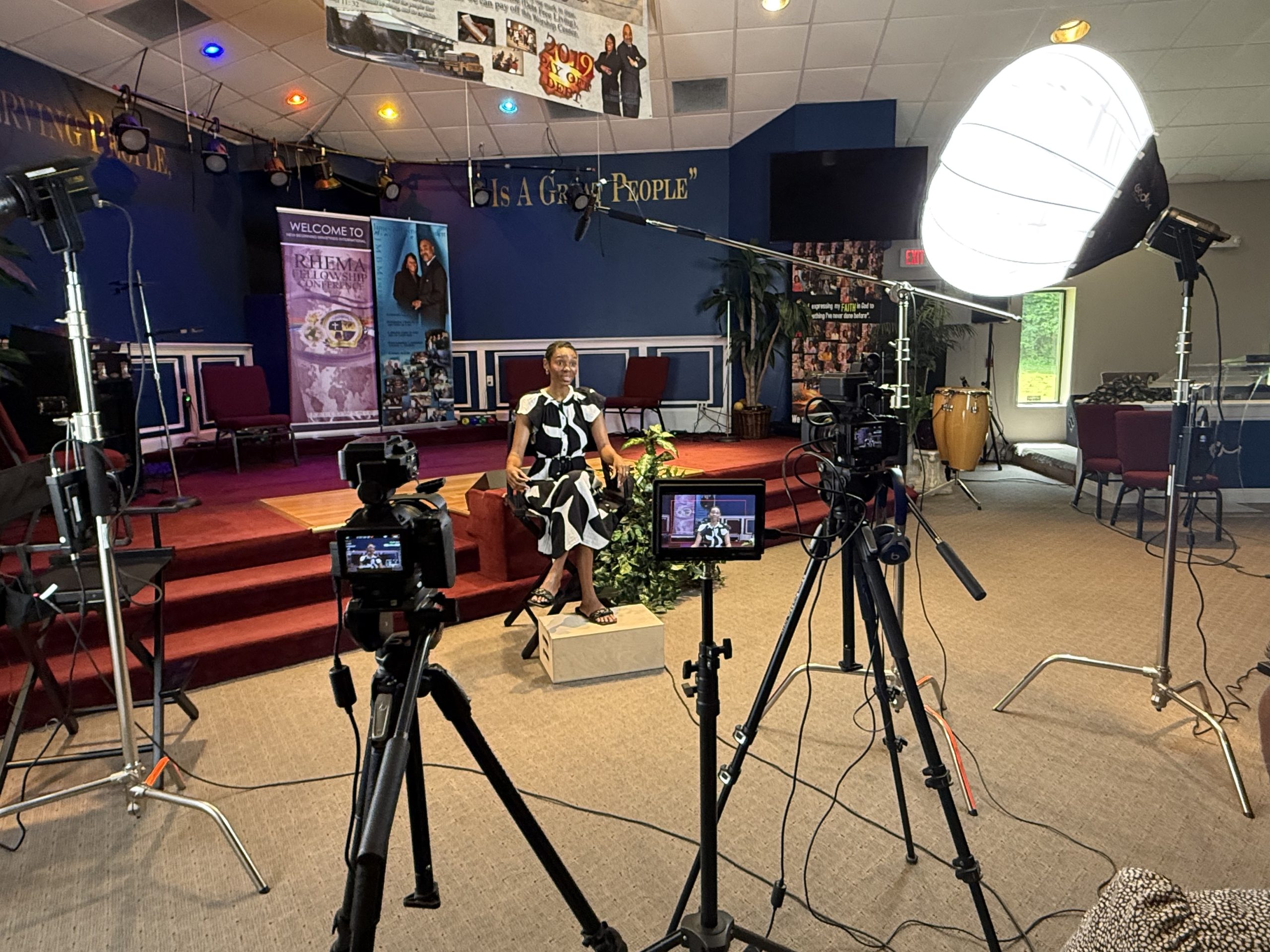
His initial campaign video introduced his priorities and the commitments he was making to residents. In a subsequent election cycle, we developed a video showing how he had followed through, alongside large roadside banners supporting the campaign.
The second video moved the story beyond the candidate’s own account. Community members shared examples of his work and what it meant to them.
We developed the strategy, planned the production, and structured the interviews. We did not script residents’ answers. Their experiences and their own words gave the story its credibility.
The message became more tangible: voters could hear the original commitment, then see community members describe the work that followed.
Responding Without Becoming Defensive
In the most recent campaign, public discussion included Flock cameras, FILOT agreements, and large subdivisions. With a new challenger in the race, our work focused primarily on billboard design, social media management, and reputation management.
We also helped communicate on Davis’s behalf when he could not attend every event.
When criticism suggested that he believed he “had it in the bag,” we addressed the sentiment through a lighter message:
“Groceries go in bags, not elections. Everything must be earned.”
That approach acknowledged the conversation while reinforcing humility and the need to earn support. It kept the campaign’s voice personable without turning every criticism into an argument.
The Results: Repeated Wins and an Engaged Community
Davis won the special election and subsequent elections, with vote shares generally around 68–70%.
In the months leading into the November 2026 election, campaign content generated hundreds of shares and interactions. Our communications continued through Election Day, including a November 3 thank-you message to supporters.
The election results reflect the broader work of the candidate, his campaign, and his supporters. Our contribution was a coordinated communications effort that helped introduce his platform, document his service, and maintain an active connection with residents.
Over time, that connection became a community willing to respond, participate, and speak on his behalf.
Services Provided
-
Campaign strategy and communications consulting
-
Social media establishment and ongoing management
-
Reputation management and responses to public questions
-
Graphic design and campaign photography
-
Video strategy, preproduction, production, and editing
-
Media buying and advertising management
Campaign Deliverables
Across multiple election cycles, the work included campaign graphics, social content, photography, platform and community testimonial videos, newspaper advertisements, billboard designs, large roadside banners, managed Facebook advertisements, and a custom radio advertisement with purchased placement.
The FMB Connection
People support people they know, like, and trust. Four parts of our FMB framework worked together throughout this campaign:
Have an identity.
Present Davis with a recognizable visual presence and a clear message rooted in his character and priorities.
Have cohesive touchpoints.
Connect social media, newspaper ads, billboards, banners, radio, and video so each encounter reinforces the same campaign.
Have video that tells your story.
Introduce the promise, then document the follow-through through community members’ experiences.
Have imagery and photography that match the brand.
Use campaign photography and visual materials that support a consistent, recognizable public presence.
Together, these elements gave the campaign a foundation for familiarity and trust—and a way to keep communicating as the story developed.